Food Processing
Innovative Financing Solutions for Your Food Processing Equipment Needs
Food Processing Equipment Leasing – In the food processing industry, success depends on having cutting-edge equipment and technology. Our tailored financing solutions empower you to expand production, upgrade machinery, or launch new ventures without straining your financial resources. In a market where efficiency, innovation, and precision are key, our comprehensive funding options help you invest in state-of-the-art food processing equipment, keeping your business competitive and ahead of the curve.
Elevate Your Food Packaging with Tailored Financing Solutions
At Commercial Funding Partners, we recognize the role that cutting-edge food processing equipment plays in driving the success of your business. Whether you want to expand production, upgrade machinery, or kickstart a venture, our tailored financing solutions can grow your operations without burdening your financial resources.
In the food industry, efficiency, innovation, and accuracy are essential. Having the appropriate equipment is critical to meeting these benchmarks. Commercial Funding Partners offers equipment financing options that empower you to invest in top-of-the-line food processing technologies, ensuring your business stays competitive and at the forefront of innovation.
We take pride in understanding the challenges and opportunities in the food processing field. Our team delivers creative financing solutions beyond making equipment more accessible; they focus on cultivating partnerships that nurture your growth and triumph. Whether you run a family-owned business or a large-scale manufacturing operation, we provide the capital needed for thriving in today’s market.

Food Processing Equipment We Fund
The food processing industry uses various equipment to handle, prepare, process, and package food and beverages. The right equipment can increase efficiency, maintain safety and hygiene, and help meet production demands. These tools and systems allow the food processing industry to meet regulatory standards, ensure product quality, and maintain efficiency throughout production. Here is a list of commonly used equipment in the food processing industry that we can fund 100% of:

Preparation Equipment
- Peeling and Skinning Machines - Remove skins from fruits and vegetables.
- Slicers and Dicers - Cut food into consistent sizes and shapes for further processing.
- Blenders and Mixers - Mix ingredients thoroughly.

Heat Processors
- Boilers and Steamers - Cook or steam food products.
- Fryers - Deep fry foods in large quantities.
- Ovens and Roasters - Bake or roast food products.
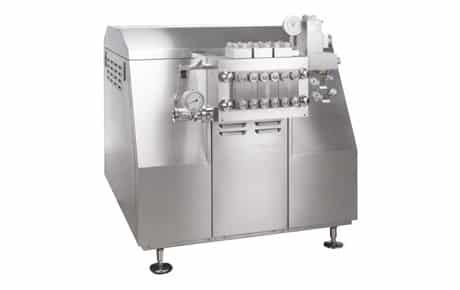
Homogenizers
- High-Pressure Homogenizers - Break down particles to create uniform milk, juice, and other liquid mixtures.

Separation Equipment
- Centrifuges - Separate liquids from solids or different liquids by density.
- Filters and Strainers - Remove impurities and solid particles from liquids.
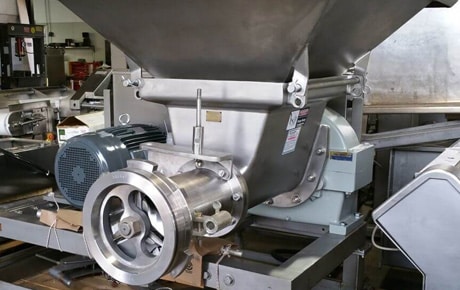
Grinding and Milling Equipment
- Grinders - Break down food products into smaller particles.
- Mills (e.g., Hammer mills, Ball mills) - Reduce particle size of grains and similar materials.

Mixing and Blending Machines
- Tumblers - Marinate meats and blend seasonings.
- V-Mixers - Ensure thorough mixing of dry or powdered ingredients.
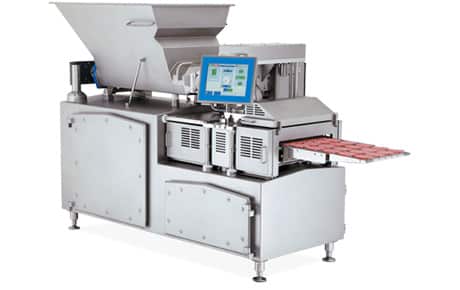
Forming Machines
- Extruders - Create specific shapes from doughs, meat pastes, and other materials.
- Molding Machines - Mold foods into specific shapes.

Freezing and Chilling Equipment
- Blast Chillers - Rapidly reduce the temperature of food to preserve freshness.
- Freeze Dryers - Remove moisture under low temperatures to preserve food.
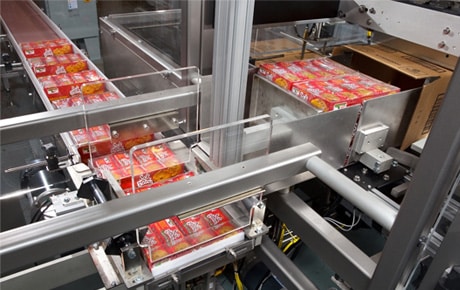
Packaging Equipment
- Filling Machines - Automate the filling of liquids or powders into containers.
- Vacuum Packers - Remove air from packaging to extend shelf life.
- Sealing Machines - Seal packages to prevent contamination and leakage.

Pasteurizers
- HTST Pasteurizers - Heat treatment systems that quickly raise and lower temperatures to eliminate pathogens in milk, juices, and other beverages.

Conveyors
- Belt Conveyors - Transport products between stages of processing.
- Screw Conveyors - Move powdered or granular products.

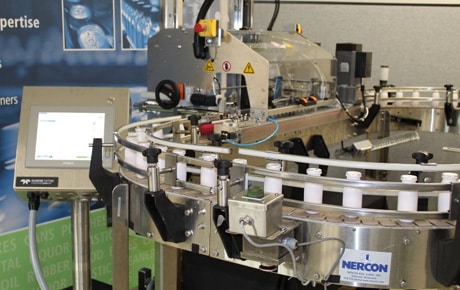
Labeling and Coding Equipment
- Labeling Machines - Apply labels to packaging.
- Coding Machines - Print expiration dates, batch numbers, and other information on products.
Quality Control Instruments
- Metal Detectors - Detect metal contaminants in food products.
- X-ray Inspection Systems - Identify foreign objects and defects inside packaged products.

Cleaning and Sterilization Equipment
- CIP (Clean-In-Place) Systems - Clean the pipes, vessels, and equipment interiors without disassembly.
- Sterilizers - Use steam or chemicals to sterilize equipment and containers.

Manufacturers Of Food Processing Equipment, We Will Finance 100%
Creating a list of the top manufacturers of food processing equipment involves considering several factors, such as market reach, innovation, and the variety of equipment they offer. This list includes companies that provide a broad range of equipment and technologies across the entire spectrum of food processing. Each has its specialties, contributing significantly to worldwide advancements in the food processing industry. Here’s a list of prominent companies in this industry based on their global presence and reputation that we have worked well with:

Tetra Pak
Specializes in complete solutions for processing, packaging, and distributing food products.

GEA Group
Offers a wide range of machinery for food processing, including dairy equipment.

Bühler Group
Bühler Group is known for its technologies for milling grains and producing high-quality materials.

Alfa Laval
Focuses on heat transfer, separation, and fluid handling technologies.

Marel
Marel is a leading provider of advanced equipment and systems for the fish, meat, poultry, and further processing industries.

JBT Corporation
Global technology solutions provider to high-value food processing and air transportation segments.

SPX Flow
Specializes in engineering solutions that perform critical duties in the food processing sector.

Krones
Designs and manufactures equipment for the beverage and liquid food industries.

Hosokawa Micron Corporation
Provides equipment for powder and particle processing.

Middleby Corporation
Known for its cooking and industrial food processing equipment.

Andritz Group
Supplies plants, equipment, and services for various industries, including food.

Fristam Pumps
Renowned manufacturer of high-quality stainless steel pumps, mixers, and blenders.

Clextral
Innovations in twin-screw extrusion technology, particularly for food & feed.

Key Technology
Specializes in automated inspection, conveying, and processing equipment.

Heat and Control
Provides food processing, seasoning, conveying, packaging, and inspection equipment.
IMA Group
Delivers solutions for the processing and packaging of pharmaceuticals, cosmetics, food, tea, and coffee.

Paul Mueller Company
Produces high-quality stainless steel equipment for various food processing needs.

Pall Corporation
Offers filtration, separation, and purification technologies for critical processing needs in food and beverages.

Dover Corporation
Produces a wide range of specialized industrial products and manufacturing equipment.

The Baader Group
Provides fish, poultry, and meat processing machines.
Case Studies
Stunning Innovation In Food Processing Equipment
Upgrading equipment in a food processing business is a decision that can make a huge difference in how things run and the quality of the products produced. Investing in upgraded machinery can rejuvenate a food processing enterprise, making it more competitive, effective, and prepared to tackle challenges and opportunities in the field. Here are ten important reasons why any food processing business should think about upgrading its equipment:
- Automation in Food Processing - Robotic systems have revolutionized food processing, bringing in accuracy and efficiency. These systems can handle various tasks, from sorting and packaging to intricate functions such as butchering, cooking, and assembling complex food items. By taking over tasks and upholding hygiene standards, robots enhance food processing safety.
- Innovative Preservation Method: High-Pressure Processing (HPP) - High-pressure processing is used to preserve and sterilize food products, prolonging their shelf life without needing heat or chemicals. HPP helps maintain the quality of food, preserves its freshness, and prevents the growth of microorganisms. This technology is prevalent in packaging juices and ready-to-eat meals.
- Advancements in Food Production; 3D Printing - Using 3D printing technology in food production enables the creation of food shapes with customized content in an automated fashion. This innovation holds promise for industries like confectionery, pastry making, and gourmet cuisine by facilitating personalization.
- Non-thermal Pasteurization Methods; Infrared and Ultraviolet Techniques - Infrared and ultraviolet pasteurization methods provide alternatives to heat pasteurization that reduce processing time and energy consumption. Infrared technology aids in improving the drying process, while ultraviolet light efficiently eliminates pathogens on the surface of food items.
- Nanotechnology - Infrared Food processing involves manipulating substances at the level to produce food that's not only safer and healthier but also more enjoyable to consume. This encompasses techniques like encapsulating nutrients on a nanoscale to boost food fortification by creating packaging materials that signal the packaged food's freshness.
- Spectroscopic technology is primarily used for inspection and analysis, enabling destructive scrutiny of food items during production. This technology aids in detecting particles, measuring moisture levels, and ensuring quality without causing delays in the production line.
- Pulsed Electric Fields (PEF) is a method employed to treat cells in fruits and vegetables, enhancing the efficiency of juice extraction processes. Utilizing bursts of high-voltage pulses facilitates improved juice extraction and preservation of compounds while maintaining nutritional integrity.
- The integration of Artificial Intelligence (AI) and Machine Learning - AI used in food processing operations allows for forecasting of maintenance requirements, optimization of production procedures, and real-time customization of recipes based on consumer preferences and available resources.
- Blockchain technology is being leveraged to enhance traceability within the food supply chain. It guarantees documentation of the path food items take from the farm to the dining table, improving safety and consumer confidence.
These advancements not only boost food processors’ capacity to fulfill market requirements but also promote sustainability and effectiveness in operations, laying the groundwork for a tomorrow where food manufacturing is more intelligent, secure, and flexible in response to the evolving demands of the worldwide populace.