
Diagnostic Equipment
- X-ray Machines - These are used to visualize the body's internal structure using X-rays.
- MRI Machines (Magnetic Resonance Imaging) - Utilizes strong magnetic fields and radio waves to create detailed images of organs and tissues.
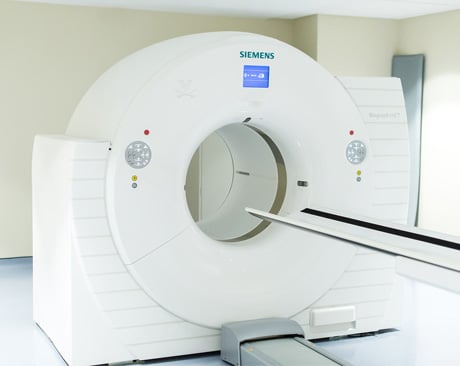
- CT Scanners (Computed Tomography) - Combines multiple X-ray images to generate cross-sectional body views.
- Ultrasound Machines - Ultrasound Machines use high-frequency sound waves to capture live images inside the body.
- ECG Machines (Electrocardiography) - Records the heart's electrical activity over a period.
- EEG Machines (Electroencephalography) - Used to detect brain electrical activity abnormalities.
- PET Scanners (Positron Emission Tomography) - Produces detailed three-dimensional images of the body's functional processes.
Laboratory Equipment
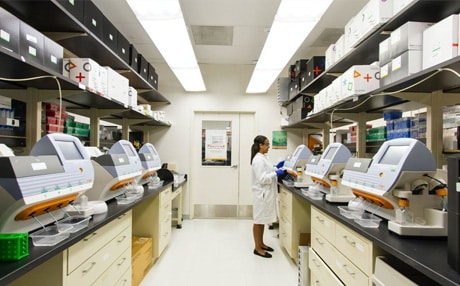
- Microscopes - Essential for examining samples and substances at the cellular level.
- Centrifuges - Separates substances of different densities in a mixture.
- Autoclaves - Sterilizes medical tools and equipment using high-pressure steam.
- Spectrophotometers - Measures the intensity of light wavelengths in a spectrum to analyze samples.
- Blood Gas Analyzers - Measures gases and concentrations of bicarbonate in the blood.
Treatment Equipment
- Defibrillators - Restores a normal heartbeat by sending an electric pulse or shock to the heart.
- Infusion Pumps - Delivers fluids, such as nutrients and medications, into a patient's body in controlled amounts.
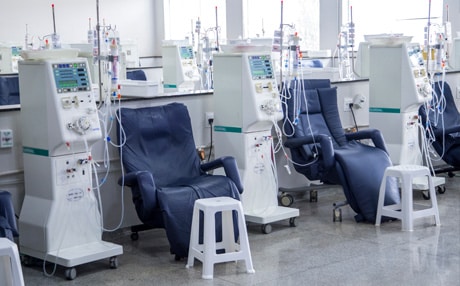
- Dialysis Machines - Removes waste and excess water from the blood and is used primarily for patients with kidney failure.
- Patient Monitors - Continuously monitors a patient's vital signs and other parameters during care.
- Ventilators - Mechanical devices that provide respiratory support for patients who cannot breathe on their own.

Surgical Equipment
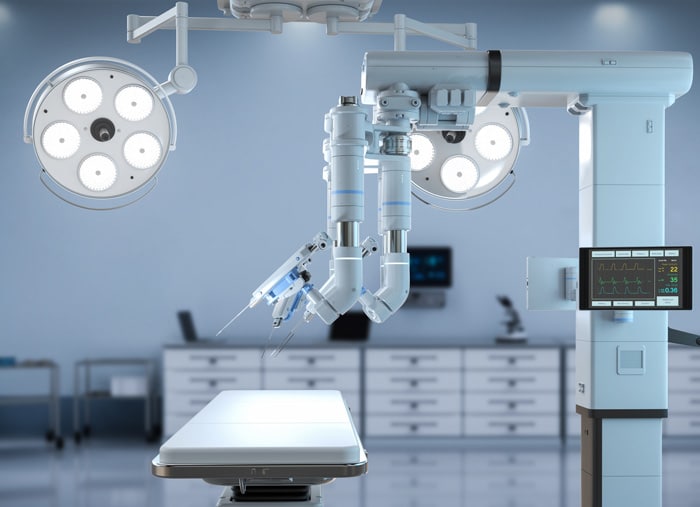
- Operating Tables - Specifically designed for surgical procedures, providing stability and access to the patient.
- Surgical Lights - Provides critical illumination for surgeries, minimizing shadows and maximizing visibility.
- Surgical Instruments - Various tools like scalpels, forceps, and scissors specialized for different types of surgery.
- Anesthesia Machines - Mixes and delivers anesthetic gases to patients during surgery to prevent pain and discomfort.
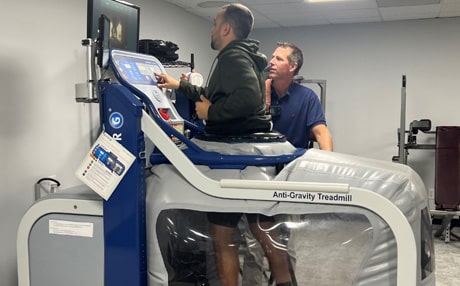
Therapeutic Equipment
- Laser and Ultrasound Therapy Machines - Used for pain relief and promoting tissue healing.
- TENS Units (Transcutaneous Electrical Nerve Stimulation) - Uses low-voltage electrical current for pain relief.
- CPAP Machines (Continuous Positive Airway Pressure) - Treats obstructive sleep apnea by providing a steady air pressure.
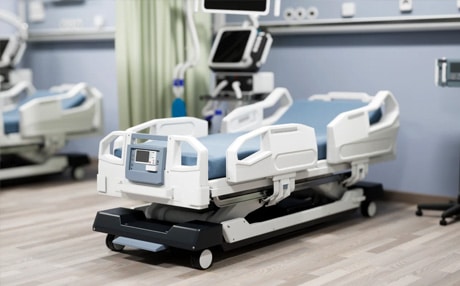
Patient Care Equipment
- Hospital Beds - Adjustable for various patient needs and comfort.
- Medical Refrigerators - Keeps medications, vaccines, and other biologicals at precise temperatures.
- Wheelchairs and Walkers - Aids mobility for patients who require assistance moving.

Medtronic PLC
Renowned for its wide array of medical devices, particularly in cardiac and vascular fields.

Johnson & Johnson
Offers products in various medical disciplines, including surgery, orthopedics, and cardiovascular health.

GE Healthcare
Specializes in medical imaging, diagnostics, and patient monitoring systems.

Siemens Healthineers
Known for advanced medical imaging technology and diagnostic equipment.

Philips Healthcare
Provides a broad range of medical devices, focusing on imaging and patient monitoring.

Baxter International Inc.
A leader in dialysis equipment, intravenous (IV) solutions, and other medical specialties.

Stryker Corporation
Specializes in orthopedic devices and surgical equipment.

Boston Scientific Corporation
Develops medical devices used in various interventional medical specialties.

Abbott Laboratories
Abbott Laboratories offers medical devices for diagnostics, medical optics, and vascular therapy.

Becton, Dickinson and Company (BD)
Known for its medical supplies, devices, laboratory equipment, and diagnostic products.

Zimmer Biomet
Specializes in designing, manufacturing, and marketing orthopedic reconstructive products.

Olympus Corporation
Provides innovative medical and surgical technologies, particularly in endoscopy and microscopy.

Solventum
Delivers products and services across health care, including medical devices for wound care and dental products.

Danaher Corporation
Manufactures professional medical, industrial, and commercial products and services.

Thermo Fisher Scientific
Supplies laboratory equipment, including devices related to diagnostics and biotechnology.

Intuitive Surgical
Known for its robotic surgical systems, particularly the da Vinci surgical system.
Case Studies


