Are there grants for medical equipment?
Grants for medical equipment may be available through federal, state, local, nonprofit, and disease-specific programs, but eligibility often depends on the organization type, patient population, equipment purpose, and available funding cycle. Grants can be competitive and may not cover the full acquisition cost. Financing can complement grant funding by covering the remaining eligible equipment and project costs.
Can used medical equipment be financed?
Yes. Commercial Funding Partners finances qualified used commercial equipment, including used medical equipment, when the transaction fits its underwriting and appraisal requirements. Financing may be structured as an equipment loan, capital lease, operating lease, tax lease, or FMV lease. Eligibility, advance rate, term, and payment structure are determined through a confidential review of the equipment, project, and borrower profile.
What types of used medical equipment may qualify for financing?
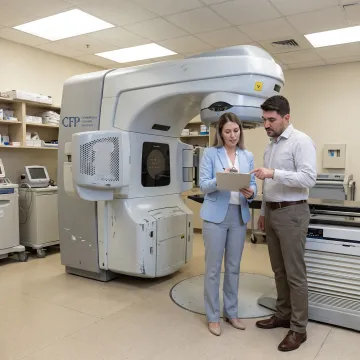
Qualified used diagnostic, treatment, laboratory, imaging, surgical, and specialty medical equipment may be considered for financing. CFP evaluates the equipment’s condition, age, marketability, expected useful life, and appraisal value alongside the borrower’s credit and project details. Medical practices, healthcare providers, and larger healthcare systems can submit a project for review before committing capital.
What is the minimum amount for medical equipment financing?
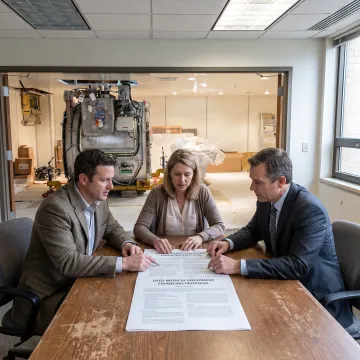
CFP’s equipment financing projects generally start at $250,000 and can exceed $300 million. For larger healthcare equipment initiatives, financing can include multiple vendors and eligible related costs under one structure. The final financing amount depends on the equipment value, transaction type, credit review, and whether installation, software, freight, commissioning, or other eligible costs are included.
Can financing include installation and software costs?
Yes, CFP may include eligible soft costs that many traditional lenders do not finance, such as installation, engineering, software integration, freight, commissioning, training, project management, controls, and taxes. Including these costs in the overall structure can reduce the need to use operating cash for project completion. Eligibility and total advance depend on the specific transaction review.
How do lease payments work for used medical equipment?
Lease payments can be tailored to project cash flow through structures such as capital leases, operating leases, tax leases, and FMV leases. CFP also offers flexible payment approaches, including seasonal schedules, step-up payments, deferred principal, custom amortization, and in certain projects interest-only periods during installation. Terms are quoted after equipment appraisal and credit review.
What if another lender declined our equipment financing request?
A decline does not always mean the project is unfinanceable. CFP offers a free, no-obligation Second Opinion Review that re-underwrites the transaction rather than relying on another lender’s decision. The review may identify alternative approaches, including a different lease structure, soft-cost inclusion, multi-vendor consolidation, extended installation terms, or a sale-leaseback arrangement.
How quickly can CFP review a used medical equipment project?
After a financing request is submitted, a CFP structuring specialist responds within one business day. The team begins with a confidential discussion of the equipment, vendors, project costs, timing, and financing goals. More complex transactions may require equipment appraisal, credit review, and documentation, while the specific funding timeline depends on the transaction structure and completeness of submitted information.